
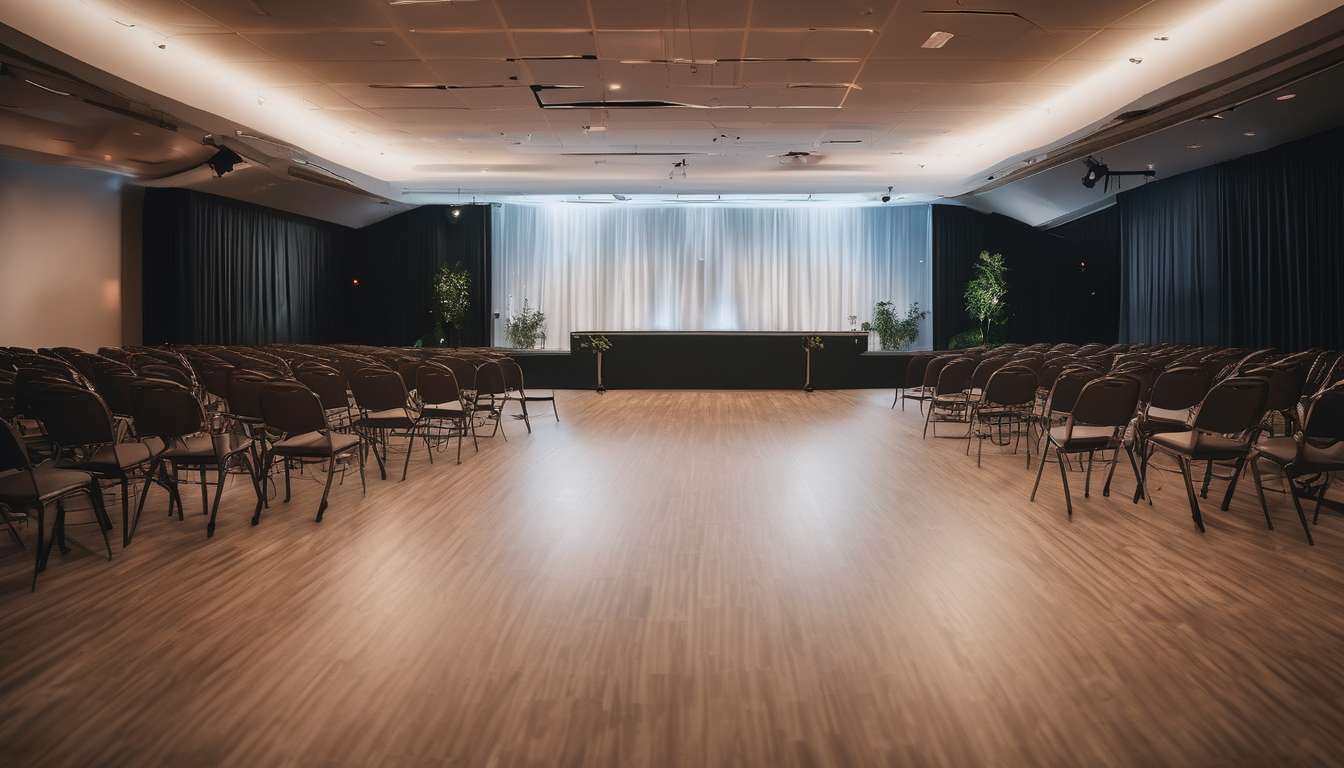
At first glance, planning a male stripper event might seem similar to organizing any other live performance. However, when we dive deeper, the nuances surrounding venue accessibility set it apart significantly.
As we navigate the landscape of event planning for such dynamic performances, the essence lies not only in entertainment value but also in ensuring inclusivity for all attendees. Just like concerts tailor their experiences for accessibility, we must consider the unique needs of our diverse audience, ensuring everyone has an enjoyable experience without barriers.
Our mission extends beyond the dance floor to encompass:
- Entrance ramps
- Seating arrangements
- Clear sightlines
Making sure no guest feels marginalized is crucial. By prioritizing venue accessibility, we uphold the spirit of full participation. Recognizing these differences in approach not only fosters an inclusive environment but also elevates the overall success of our event.
Let’s explore how we can better accommodate all patrons, creating unforgettable moments for everyone involved.
Importance of Venue Accessibility
Ensuring venue accessibility is crucial because it allows everyone, regardless of physical ability, to enjoy the event. When planning a male stripper event, it’s important for every guest to feel included and valued. Accessibility isn’t just a box to tick—it’s a commitment to inclusivity. By choosing a venue that accommodates all, we’re creating a space where everyone can have a great time, free from barriers that might otherwise prevent participation.
Key accessibility features to consider include:
- Ramps
- Wide doorways
- Accessible restrooms
These accommodations aren’t just amenities; they’re signals of welcome and belonging. When our guests see these considerations, they know we’ve thought about their needs and comfort.
Moreover, accessibility fosters a sense of community. Events should bring people together, and by prioritizing accessibility, we demonstrate our dedication to that goal. We’re not just hosting an event; we’re creating a shared experience where everyone feels they truly belong.
Creating Inclusive Seating Arrangements
To ensure everyone enjoys the show comfortably, we need to strategically design seating arrangements that cater to diverse needs. Our goal is to create an environment where everyone feels welcomed and included.
Accessibility is a priority, ensuring that individuals with mobility challenges have easy access to their seats, entrances, and exits. Additionally, we should consider those who need extra space for personal comfort or assistive devices.
Inclusivity means offering a variety of seating options:
- Some attendees might prefer being close to the stage.
- Others might enjoy a more relaxed view from afar.
- Accessible seating should be provided throughout the venue.
Accommodations such as padded seats or back support should be available for those who need them.
By fostering a sense of belonging through thoughtful seating arrangements, we’re not just hosting an event—we’re building a community where everyone feels valued and excited to be part of the experience.
Ensuring Clear Sightlines for All
Prioritizing Venue Layout Design
We must prioritize designing the venue layout to ensure every attendee has an unobstructed view of the performance. By doing this, we embrace accessibility and inclusivity, making everyone feel like they belong. Clear sightlines are crucial, especially in an environment where the visual experience is key.
Seating and Stage Placement
- Carefully consider the placement of seating and stage to accommodate all, regardless of physical ability.
- Focus on removing obstacles and arranging tiered seating, which can provide optimal views for everyone.
- Consider the height and angle of the stage to ensure everyone’s experience is equitable.
Enhancing Visibility
- Accommodations like strategically placed screens or mirrors can enhance visibility for those further away or in less ideal positions.
By prioritizing these aspects, we foster a welcoming atmosphere that values every participant, enhancing their overall enjoyment and sense of community.
Implementing Entrance Ramps Effectively
Ensure Ease of Access for All Guests
Let’s ensure every guest can enter the venue with ease by implementing entrance ramps that are both functional and seamlessly integrated into the venue’s design.
Commitment to Accessibility and Inclusivity
Ramps are more than just a necessity—they’re a statement of our commitment to accessibility and inclusivity. By ensuring that every ramp is sturdy and easy to navigate, we’re saying to our guests, "You belong here."
Integration with Venue Design
We can enhance this sense of belonging by choosing materials that match the venue’s aesthetic. This way, ramps don’t feel like an afterthought but a natural part of the space.
Key Considerations for Ramp Design
It’s crucial that we consider:
- The slope
- The width of these ramps
These factors ensure accommodation of various mobility devices, making everyone feel welcome and respected.
Planning for Accessibility
- Prioritize entrances that are easily accessible.
- Ensure they are clearly marked.
This not only makes arriving hassle-free but also reassures our guests that we’ve considered their needs.
Creating an Inclusive Environment
Together, we can create an inclusive environment where everyone can enjoy the event without barriers.
Addressing Lighting and Sound Needs
To create an inviting atmosphere, we must carefully consider the lighting and sound elements that cater to all guests’ sensory needs. Our goal is to ensure accessibility and inclusivity, making everyone feel they belong in our event space.
When planning lighting, let’s use adjustable options that provide both vibrant and soft settings. This flexibility accommodates individuals with sensory sensitivities, allowing them to enjoy the show comfortably.
Sound considerations are equally crucial. We should implement a sound system that offers clear audio without being overwhelming.
- Providing earplugs or noise-canceling headphones as accommodations can make a significant difference for those sensitive to loud environments.
- By offering these options, we show our commitment to an inclusive experience for all attendees.
Creating an accessible atmosphere isn’t just about compliance; it’s about welcoming everyone into our community. By addressing lighting and sound needs, we ensure that our event is a place where all feel seen, heard, and valued.
Considerations for Restroom Facilities
Ensuring that restroom facilities meet everyone’s needs is a crucial step in our event planning process. We prioritize accessibility and inclusivity, recognizing that everyone deserves to feel comfortable and welcomed. By offering gender-neutral and accessible restrooms, we make sure that our guests, regardless of gender identity or physical ability, have the accommodations they need.
Venue Assessment for Facilities:
- We carefully assess each venue to ensure they provide appropriate facilities.
- This includes checking for features such as:
- Grab bars
- Adequate space for maneuverability
- Clear signage to guide guests to these inclusive spaces
By doing so, we create an environment where everyone can enjoy the event without concern.
Maintaining Inclusivity:
- Inclusivity extends to maintaining these facilities throughout the event.
- We ensure they are:
- Clean
- Stocked
- Functional
This reflects our commitment to high standards and respect for all attendees.
Our goal is to create a space where everyone feels they belong, so they can fully immerse themselves in the vibrant and exciting experience we offer.
Staff Training for Assistance
Our staff undergoes comprehensive training to ensure they can effectively assist all guests during the event.
We focus on accessibility and inclusivity, making sure everyone feels welcome and valued. Our team learns how to identify and provide necessary accommodations, ensuring all attendees can fully enjoy the experience without barriers.
We emphasize the importance of empathy and understanding, recognizing that each guest’s needs are unique. By tailoring our approach, we create an environment where everyone feels at ease.
Our training includes:
- Practical exercises
- Role-playing scenarios
- Sensitivity workshops
These activities foster a deeper understanding of accessibility challenges.
We also teach our staff to communicate effectively, both verbally and non-verbally, to assist guests who may have different communication preferences or needs. This commitment to inclusivity ensures our events are not just accessible but also enjoyable for everyone.
We want every guest to leave feeling they were part of a community that genuinely cares about their experience and well-being.
Evaluating Overall Event Accessibility
To ensure our events are accessible to all, we conduct thorough evaluations of the venue’s facilities and layout. We believe in creating an inclusive environment where everyone feels they belong.
Our process includes:
-
Assessing entrances, exits, restrooms, and seating arrangements for ease of use by all attendees.
-
Prioritizing accessibility by ensuring ramps, elevators, and clear pathways are available for those with mobility challenges.
We also focus on specific accommodations, such as:
-
Providing sign language interpreters.
-
Offering printed materials in braille for those with visual impairments.
Our commitment to inclusivity extends to considering sensory needs, like providing quieter spaces for those who might feel overwhelmed by the event’s energy.
By addressing these key aspects, we aim to create an event space where everyone feels welcome and can fully participate. We’re constantly seeking feedback from our guests to improve our practices, ensuring each event is a step closer to a truly inclusive experience.
Let’s celebrate together in a space where everyone matters.
How can we effectively communicate accessibility features to potential attendees before the event?
Effectively Communicating Accessibility Features
We can effectively communicate accessibility features to potential attendees before the event by highlighting all the ways we are inclusive and welcoming.
Provide Clear Information
By providing clear information about accommodations and facilities, we show our commitment to ensuring everyone feels comfortable and valued.
Build Trust and Confidence
This transparency builds trust and encourages attendees to feel confident in attending our event.
Ensure Inclusivity
Let’s make sure everyone knows they are welcome and supported every step of the way.
What are some best practices for managing parking and transportation accessibility for an event?
When managing parking and transportation accessibility for an event, we prioritize convenience and inclusivity.
Key Strategies:
- We work closely with venues to secure ample parking options.
- Ensure accessible transportation services are available.
By coordinating with local transportation providers and offering clear directions and information to attendees, we strive to make getting to our events as seamless as possible for all guests.
How can we gather feedback from guests with disabilities to improve future events?
Gathering Feedback from Guests with Disabilities
To effectively gather feedback from guests with disabilities, consider the following steps:
-
Post-Event Surveys
- Send out surveys specifically designed to capture the experience of guests with disabilities.
- Ensure the surveys include questions about:
- Accessibility
- Accommodations
- Any challenges faced during the event
-
Multiple Feedback Channels
- Provide several methods for guests to share their thoughts. Options include:
- Phone
- Online forms
- Provide several methods for guests to share their thoughts. Options include:
By implementing these strategies, we can ensure that everyone has a chance to provide feedback and help us improve future events.
Conclusion
In conclusion, when planning a male stripper event, prioritizing venue accessibility is essential for ensuring all guests can fully enjoy the experience.
By focusing on the following aspects, you can create an environment that welcomes and accommodates everyone:
- Inclusive seating
- Clear sightlines
- Entrance ramps
- Lighting
- Sound
- Restroom facilities
- Staff training
- Overall event accessibility
Remember, a well-planned and accessible venue not only benefits attendees but also enhances the overall success and inclusivity of the event.