
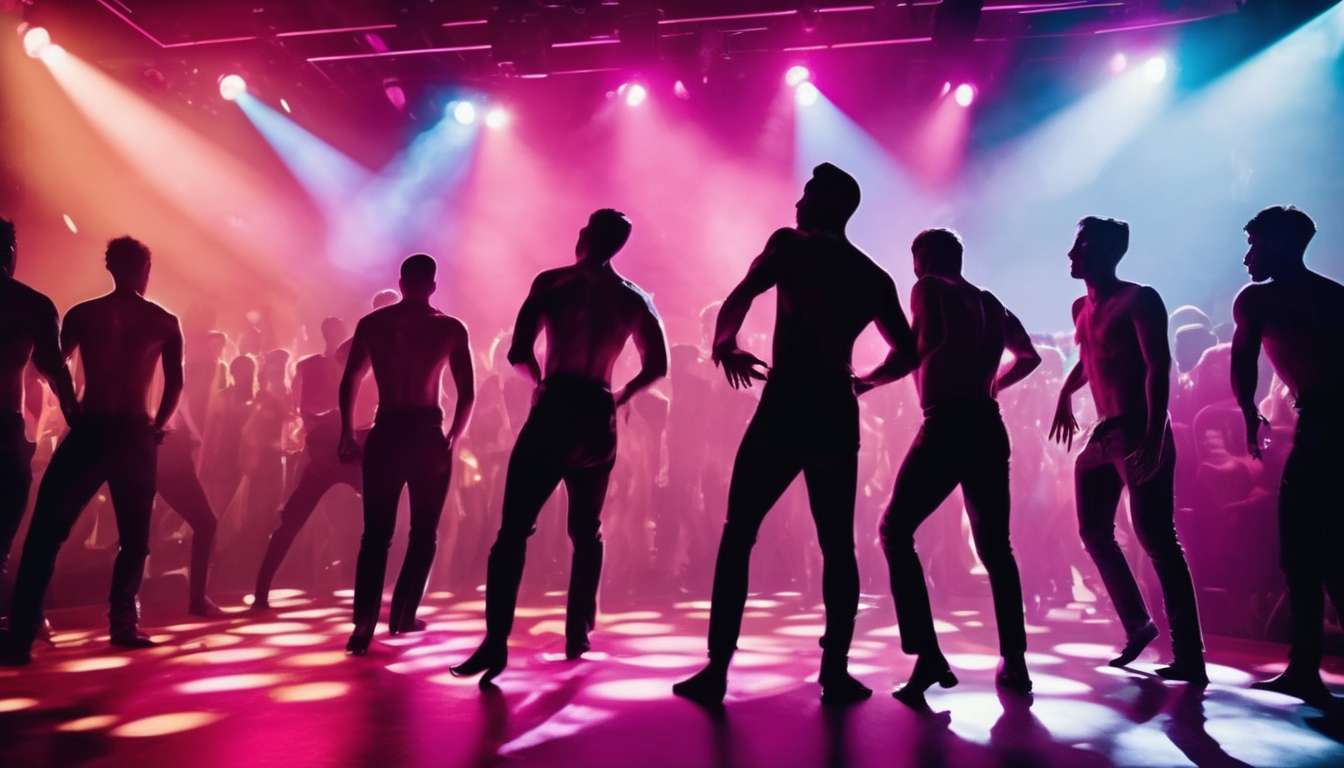
Stripping away layers reveals not just bodies, but industries burdened with bias and bureaucracy. This metaphor resonates deeply when examining the male stripper businesses. As we delve into the public policy issues affecting this niche industry, we uncover a labyrinth of regulations and misconceptions that pose unique challenges.
Policies seem to undermine rather than empower, as if viewing male stripping through a distorted lens. While female-centric adult entertainment often garners more attention and liberalization, male performers are sidelined, caught in the shuffle between societal taboos and regulatory oversight.
The challenges faced by the male stripper industry include:
-
Outdated Licensing Laws: These laws are often not tailored to the unique needs of male performers and can be difficult to navigate.
-
Stringent Zoning Restrictions: These restrictions limit where male stripper businesses can operate, impacting their visibility and growth.
-
Societal Stigmas: Cultural narratives and societal taboos continue to marginalize the industry, making acceptance and expansion challenging.
These barriers not only disrupt business operations but also perpetuate a cultural narrative that marginalizes the industry. By understanding these public policy issues, we aim to illuminate pathways for change, offering a stage where equality and innovation can strip away prejudice.
Licensing Challenges
Navigating Licensing Challenges
Understanding the myriad of local regulations and permit requirements is crucial for male stripper businesses. Licensing involves more than just paperwork; it’s about gaining the community’s trust and ensuring our business is welcomed.
Zoning Laws
Local governments often impose zoning laws that dictate where businesses can operate.
- Being aware of these zoning areas is essential to avoid legal issues that could hinder operations.
Overcoming Stigmatization
The stigmatization associated with the industry can make the licensing process feel daunting. However, by staying informed and proactive, we can:
- Change perceptions.
- Foster a sense of inclusivity.
- Work towards eradicating stigmas.
Community Acceptance
We know how vital it is to feel accepted and belong in any community. By understanding and addressing these challenges, we can create a more supportive environment for our businesses.
Zoning Restrictions
Navigating Zoning Restrictions
We must carefully navigate zoning restrictions to ensure our male stripper businesses can legally and successfully operate in chosen areas. Zoning regulations can be complex, often varying from one locality to another.
- Be proactive in understanding these laws.
- Engage with local authorities and community members to foster inclusion.
- Demonstrate a commitment to operating responsibly.
Licensing Requirements
Licensing is another crucial aspect tied to zoning. Without proper licensing, our businesses face serious setbacks. It is essential to:
- Align our operations with local requirements.
- Maintain transparency.
- Adhere to regulations to reduce potential conflicts.
- Build trust within the communities we serve.
Addressing Stigmatization and Zoning Challenges
Zoning challenges also arise from stigmatization, which can lead to stricter regulations or opposition from local residents. To mitigate this:
- Present our businesses as respectable and community-oriented.
- Highlight the positive economic impact.
- Dispel misconceptions to work towards more favorable zoning outcomes.
Stigmatization Impact
The pervasive stigma surrounding male stripper businesses often undermines our ability to gain community support and secure fair treatment. This stigmatization affects our licensing processes, making it difficult to operate within the confines of the law.
Challenges Faced:
-
Often seen as less legitimate than other entertainment venues, leading to:
- Stricter regulations.
- More hoops to jump through.
-
Unnecessary hurdles to obtain the proper licenses required to run businesses legally.
Zoning Laws and Community Resistance:
- Zoning laws often reflect biases, pushing us into less favorable locations.
- Locations are inconvenient for patrons and detrimental to growth.
- Communities might resist our presence due to misconceptions, ignoring potential economic and social benefits.
Need for Change:
- A shift in perception is needed to foster understanding and acceptance.
- Challenging these stigmas can lead to:
- A community where businesses are not just tolerated but embraced.
- Recognition of our contribution to diversity and vibrancy.
Call to Action:
- Let’s build a more inclusive atmosphere together.
Discriminatory Practices
Many male stripper businesses face discriminatory practices that hinder their ability to operate on an equal footing with other entertainment venues.
Licensing requirements often seem designed to exclude these businesses, with fees and conditions that are disproportionately burdensome compared to other businesses. This creates an environment where owners are constantly battling to prove their legitimacy, rather than focusing on providing inclusive entertainment experiences.
Zoning laws are another hurdle, frequently pushing these venues to the fringes of communities. These laws, often influenced by stigmatization, prevent establishments from setting roots in areas where they could thrive and be part of vibrant, diverse neighborhoods.
Such restrictions not only limit growth but also perpetuate the notion that the industry is less worthy.
Together, these discriminatory practices create barriers that isolate male stripper businesses, making it difficult for them to feel like they belong in the broader business community.
By addressing these issues, there can be progress towards an inclusive environment where all entertainment businesses are treated fairly and respectfully.
Labor Regulations
Labor Regulations and Challenges
Labor regulations often impose unique challenges for male stripper businesses, impacting both performers and owners in ways that other entertainment sectors may not experience.
- Strict Licensing Requirements:
- These requirements can be costly and time-consuming.
- The regulations often seem to be designed without understanding the nuances of our industry, leaving us feeling marginalized.
Zoning Laws Complications
Zoning laws further complicate our operations.
- Restrictive Zoning Limits:
- Many of us find it difficult to secure venues due to these limitations.
- This can lead to financial strains and force some of us to operate under less-than-ideal conditions, making it hard to build a stable and thriving community.
Stigmatization and Societal Perceptions
Stigmatization remains another barrier, as societal perceptions often influence the way regulations are crafted and enforced.
- Navigating Misunderstandings:
- We’re constantly navigating a landscape where our work is misunderstood.
- This can result in harsher scrutiny and unexpected hurdles.
Community Efforts
Together, we strive to create a more supportive environment that acknowledges our industry’s unique contributions.
Public Perceptions
Misconceptions and Stereotypes
Many people still hold misconceptions about our industry, often viewing male strippers through a lens of stereotype rather than recognizing the professionalism and artistry involved. We strive to change these perceptions by showcasing the dedication and skill that define our work.
Creating a Welcoming Atmosphere
As part of this community, we know that a welcoming atmosphere is key to dispelling myths and fostering acceptance.
Licensing and Zoning Challenges
Licensing and zoning are critical issues we face, often shaped by public perceptions. Misunderstandings can lead to restrictive policies, making it harder for our businesses to operate smoothly and gain legitimacy.
- When local governments inaccurately view our establishments as problematic, they might impose zoning restrictions that isolate us from vibrant business districts, furthering stigmatization.
Engagement and Advocacy
We need to engage with policymakers and the public to shift these perceptions. By highlighting our positive contributions and emphasizing that we follow the same professional standards as any other industry, we can work towards a more inclusive narrative.
Goals for the Future
Together, we can create a narrative that respects our roles in the community and fosters acceptance and understanding.
Legal Ambiguities
Navigating the complex legal landscape surrounding male stripper businesses presents significant challenges due to inconsistencies and loopholes in current regulations.
Licensing poses a major hurdle as requirements vary dramatically between jurisdictions. This variability often leaves us in a constant state of uncertainty, making it difficult to establish stability and trust within our community.
Zoning laws add another layer of complexity. These laws dictate where we can operate and often seem arbitrary, influenced by the stigmatization our industry faces. We strive to operate in spaces where we feel welcome and valued, but zoning restrictions frequently push us to the outskirts, both literally and figuratively.
The stigmatization of our business further complicates our legal standing. Negative stereotypes and misconceptions create barriers to achieving the fair treatment we deserve.
By addressing these legal ambiguities, we aim to:
- Build a more inclusive environment
- Foster a sense of belonging within our industry
- Ensure everyone feels respected and secure
Addressing these issues will help us create a fairer and more supportive landscape for our business.
Advocacy Efforts
To address the challenges we face, we’re actively engaging in advocacy efforts to push for clearer regulations and fairer treatment of male stripper businesses. We believe that by coming together, we can create a united front that speaks loudly for our community’s needs.
Licensing processes should be transparent and straightforward, ensuring that businesses have the opportunity to operate legally without unnecessary hurdles. We’re advocating for zoning laws that:
- Recognize and respect the unique nature of our industry
- Avoid pushing us into the fringes where visibility and safety can be compromised
Stigmatization remains a significant barrier, and we’re working to shift public perception by highlighting the professionalism and artistry inherent in our work. By fostering open dialogues with:
- Policymakers
- The public
We aim to dismantle stereotypes and build an inclusive environment where male stripper businesses are valued.
Let’s stand together, support one another, and amplify our voices to ensure our industry thrives.
What are the common revenue streams for male stripper businesses beyond performances?
When it comes to male stripper businesses, beyond performances, common revenue streams include:
- Merchandise sales
- VIP experiences
- Private party bookings
These additional avenues allow us to maximize earnings and provide customers with a variety of ways to engage with our brand.
By diversifying our income sources, we can:
- Cater to different preferences.
- Create a more inclusive business model.
- Increase profitability.
This strategic diversification ensures that we not only meet customer needs but also build a robust and sustainable business.
How do male stripper businesses typically market their services in a competitive industry?
We usually market our services by leveraging:
- Social media
- Networking events
- Partnerships with clubs and event planners
This helps us stand out in a competitive industry.
Engaging with Our Audience:
- Interactive posts
- Captivating visuals
- Special promotions
These tactics allow us to connect with potential clients and create a buzz around our performances.
Key to Our Marketing Strategy:
- Building a strong online presence
- Maintaining a positive reputation
These elements are crucial for the success and visibility of our services.
What are the health and safety protocols commonly adopted by male stripper businesses?
We prioritize health and safety in our male stripper business.
Our team adheres to rigorous protocols to ensure the well-being of both performers and clients. Key aspects of our safety measures include:
- Regular health screenings
- Proper hygiene practices
- Maintaining a clean environment
Additionally, we provide ongoing training to our staff on emergency procedures and how to handle any potential risks that may arise during performances.
This commitment ensures a safe and enjoyable experience for everyone involved.
Conclusion
In conclusion, navigating the public policy landscape for male stripper businesses can be a complex and challenging endeavor.
From licensing hurdles to discriminatory practices, these establishments face a myriad of obstacles that impact their operations and overall viability.
Despite these challenges, ongoing advocacy efforts seek to:
- Address these issues
- Promote a more inclusive and equitable environment for this industry
Ongoing advocacy is crucial in ensuring that the industry can thrive amidst the challenges it faces.